Why Was Storytelling Central to Traditional Kuchipudi Performances?
Kuchipudi is not just a Classical Dance Form, it is a powerful storytelling tradition that blends movement, emotion, rhythm and devotion into a single expressive language. Long before modern stages and digital platforms, traditional Kuchipudi performances were designed to narrate stories that educated, inspired and spiritually uplifted audiences. Storytelling was central because it allowed dancers to communicate complex emotions and mythological narratives without spoken dialogue, making Kuchipudi accessible, memorable and deeply impactful.
What Makes Kuchipudi a Narrative Dance Form?
Kuchipudi evolved as a dance-drama tradition where performance was meant to tell a story rather than merely showcase technique. Unlike styles that focus primarily on abstract movement, Kuchipudi places strong emphasis on conveying meaning through expression and body language. Each performance unfolds like a visual narrative, where the dancer embodies different characters, emotions and situations. This narrative nature made storytelling essential, as performances were often based on epics, folklore and devotional themes that audiences could instantly connect with.
How Does Kuchipudi Tell Stories Without Words?
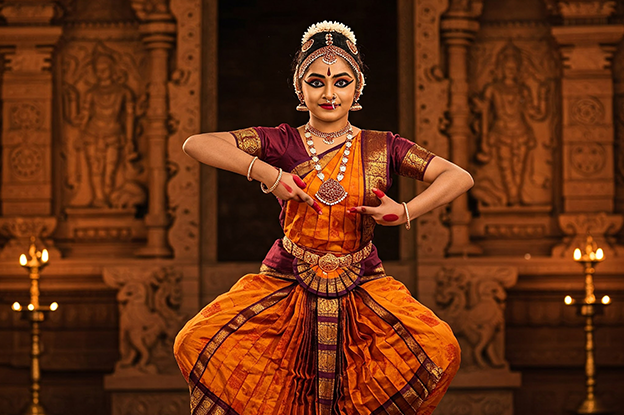
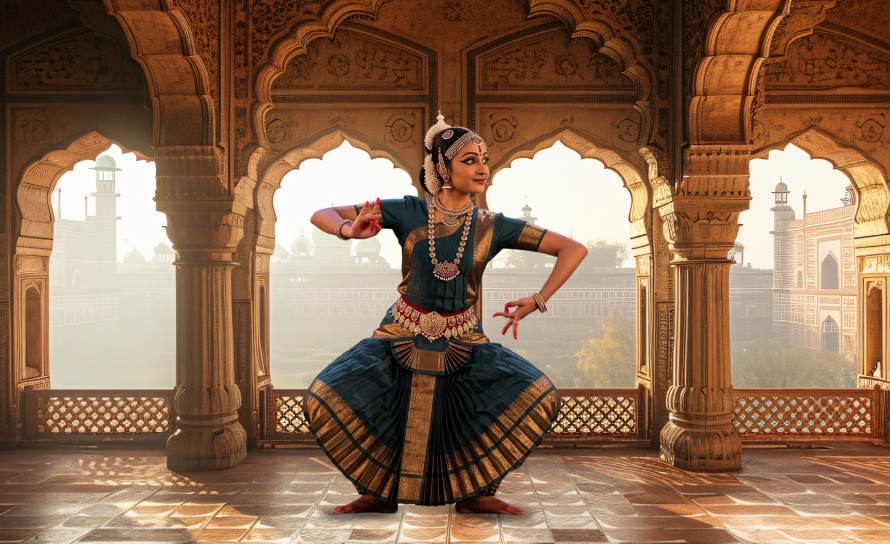
Kuchipudi storytelling relies on a refined combination of facial expressions, hand gestures, eye movements and controlled body posture. Abhinaya plays a central role in communicating emotions such as love, devotion, anger or compassion, allowing the dancer to express entire dialogues silently. Mudras act as visual symbols that represent objects, actions or ideas, while rhythmic movements align the story with music and tala. Together, these elements create a seamless storytelling experience that feels alive even without spoken narration.
Role of Abhinaya and Music in Traditional Kuchipudi Storytelling
Abhinaya is the emotional backbone of Kuchipudi storytelling, transforming choreography into a meaningful narrative. Traditional performances depended heavily on expressive depth to ensure that audiences understood the story being portrayed. Music further strengthened this connection, with the mridangam providing rhythmic structure and the flute adding emotional texture to the narrative. The synchronization between expression, rhythm and melody ensured that storytelling remained clear, engaging and emotionally resonant throughout the performance.
Why Storytelling Was Essential to Early Kuchipudi Performances
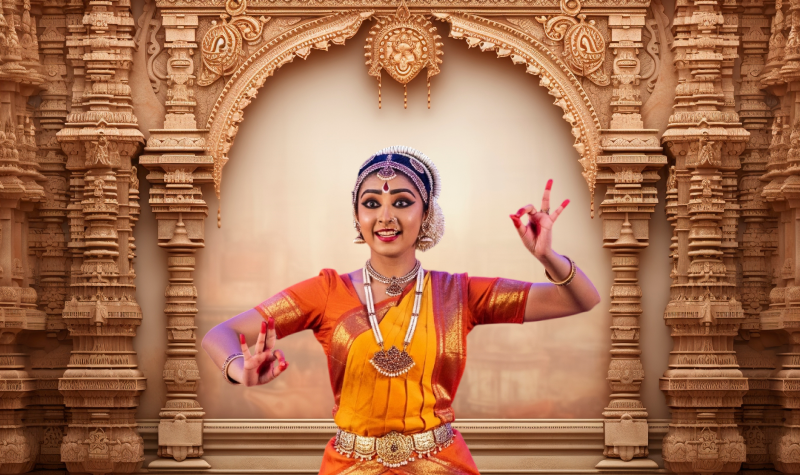
In traditional settings, Kuchipudi performances served as a medium of cultural education and spiritual communication. Storytelling allowed dancers to convey moral values, religious devotion and philosophical ideas to communities that relied on oral and visual traditions. Performances often took place in temple courtyards and village gatherings, where storytelling through dance became a shared cultural experience. This deep connection between narrative and performance is why storytelling was not optional but central to the identity of Kuchipudi.
Conclusion
Storytelling lies at the heart of traditional Kuchipudi because it transforms dance into a living narrative that speaks to emotion, devotion and culture. Through abhinaya, music, rhythm and expressive movement, Kuchipudi preserves stories that continue to inspire generations. Institutions like Nrityangana play a vital role in keeping this storytelling tradition alive by training dancers to focus not only on technique but also on expression and narrative depth, ensuring that the true essence of Kuchipudi continues to flourish.
FAQ's
Why is storytelling important in Kuchipudi dance?
Storytelling gives meaning to movements and helps audiences emotionally connect with the performance.
What stories are traditionally told in Kuchipudi?
Most performances depict mythological and devotional stories from Indian epics and scriptures.
How does abhinaya help in Kuchipudi storytelling?
Abhinaya allows dancers to express emotions and narratives without spoken words.
Is Kuchipudi mainly about expression or technique?
Kuchipudi balances technique with expression, but storytelling gives purpose to the technique.