What Is the Significance of Mudras in Storytelling and Abhinaya?
Indian classical dance communicates stories and emotions through a refined visual language and mudras play a central role in this expression. In storytelling and abhinaya, mudras are not merely hand gestures but powerful symbols that transform movement into meaning. Understanding the significance of Mudras In Storytelling and abhinaya helps audiences and learners appreciate how dancers narrate complex stories without spoken words, relying purely on gesture, expression and rhythm.
Understanding Mudras in Abhinaya
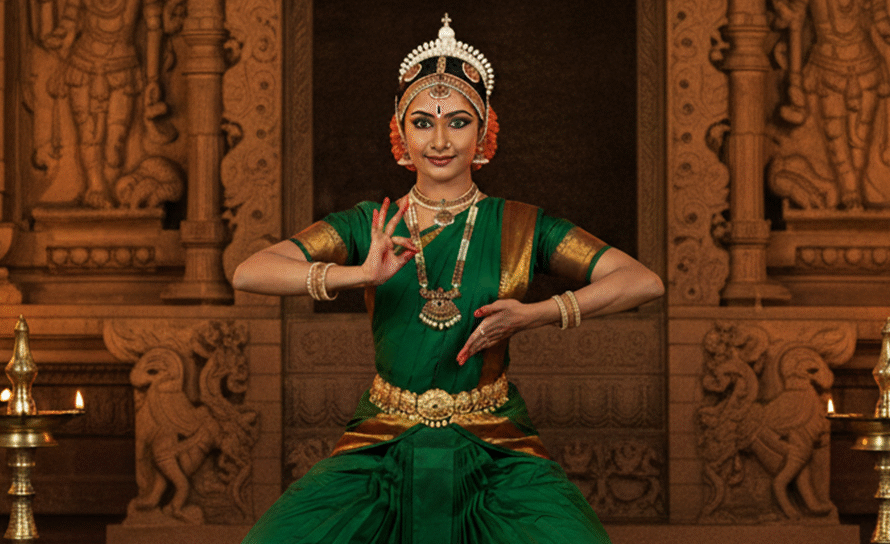
Mudras in abhinaya refer to codified hand gestures used to convey ideas, objects, actions and emotions. These gestures follow traditional guidelines and are practiced with precision to maintain clarity. In abhinaya, mudras work alongside facial expressions and body movements to form a complete expressive system. Even a simple movement of the fingers can represent nature, relationships or divine elements, making mudras a visual language that replaces dialogue and narration in classical dance.
Significance of Mudras in Dance Storytelling
The significance of mudras in storytelling lies in their ability to narrate detailed stories without words. Through carefully chosen hand gestures, dancers depict characters, settings and sequences of events, allowing the audience to follow the narrative visually. Mudras make storytelling accessible and engaging, even for viewers unfamiliar with the language or lyrics of the music. This clarity and symbolism are what give Indian classical dance its timeless storytelling strength.
Role of Mudras in Expressing Emotions Through Abhinaya
Mudras play a vital role in emotional expression by reinforcing what the face and body convey. In abhinaya, emotions such as love, anger, fear or devotion are intensified through specific hand gestures that guide the audience’s emotional response. The harmony between mudras and facial expressions ensures that feelings are communicated with depth and authenticity. This connection helps dancers evoke rasa, the emotional essence that lies at the heart of classical performance.
Mudras Across Indian Classical Dance Traditions

Across Indian Classical Dance Forms, mudras remain a common expressive tool while adapting to different stylistic traditions. Each form interprets and emphasizes mudras in its own way, yet the purpose remains consistent, clear communication and emotional storytelling. This adaptability shows how mudras unify diverse dance styles while preserving their individual identities, making them essential across the classical dance spectrum.
Conclusion
The significance of mudras in storytelling and abhinaya extends beyond technique, they are the soul of expression in Indian classical dance. By turning movement into meaning, mudras allow dancers to speak directly to the audience’s imagination and emotions. Dance institutions such as Nrityangana continue to emphasize the mastery of mudras, ensuring that this expressive tradition remains strong and relevant for future generations of storytellers and performers.
FAQ's
What are mudras in abhinaya?
Mudras are structured hand gestures used in abhinaya to communicate meaning, emotion, and narrative.
Why are mudras important in storytelling?
Mudras help dancers narrate stories visually without words, making storytelling clear and engaging.
How do mudras express emotions in classical dance?
Mudras support facial expressions and body language to deepen emotional communication.
Are mudras important for beginners in classical dance?
Yes, learning mudras early builds a strong foundation for expressive storytelling and abhinaya.