What Is the Role of the Mridangam, Flute, and Veena in Kuchipudi Performances?
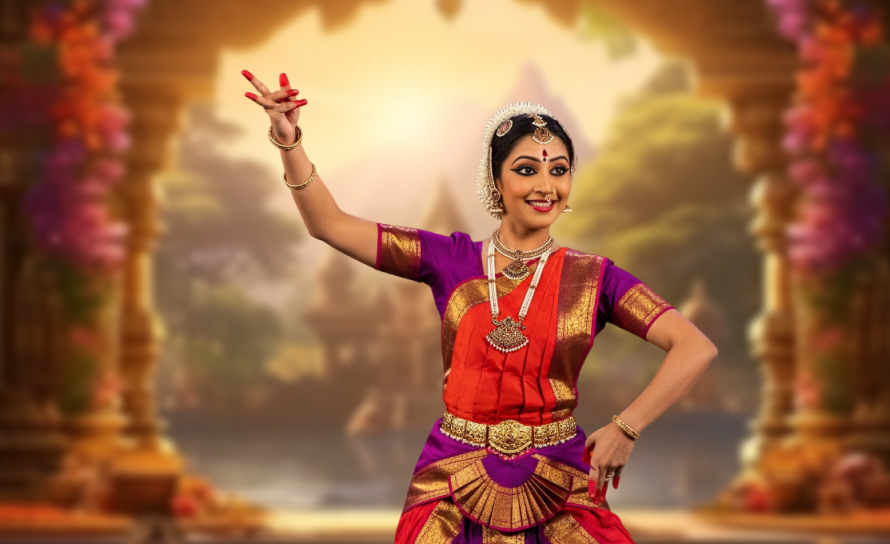
Indian classical dance has long been a powerful medium to convey stories from mythology and among the most cherished narratives are those of Lord Krishna. From his playful childhood exploits to his divine interactions with the gopis, Krishna’s life is filled with tales of devotion, love and bravery.Through expressive movements, intricate gestures and vibrant storytelling, dancers bring these age-old legends to life, making them tangible for audiences across generations. Krishna’s stories in dance are not only a form of entertainment but also a spiritual journey that resonates deeply with devotees and art lovers alike.
The portrayal of Krishna in classical dance transcends mere performance, serving as a bridge between art, culture and spirituality. Each gesture, expression and rhythmic step is carefully crafted to convey the emotional depth and moral essence of his stories. Through nuanced storytelling, dancers allow audiences to witness the divine play of Krishna, his mischief, wisdom and compassion creating an immersive experience that educates, inspires and captivates. This integration of mythology and movement not only preserves cultural heritage but also fosters a profound connection between the viewer and the timeless tales of Krishna.
Musical Accompaniment in Traditional Kuchipudi Performances
Understanding the role of the mridangam, flute and veena in Kuchipudi performances begins with exploring the traditional orchestra that accompanies the dance. Classical Kuchipudi performances usually include vocalists, percussionists and melodic instrumentalists who work together to create an immersive musical environment. The music is generally based on Carnatic classical traditions, which provide the melodic framework and rhythmic patterns that guide the dancer.In a live performance, the musicians observe the dancer carefully and adjust the tempo or intensity when required.
This interactive element is essential because Kuchipudi involves both structured choreography and spontaneous expressive segments. The instruments create an atmosphere that supports the dramatic storytelling, devotional themes and emotional expressions that define the dance.The role of the mridangam, flute and veena in Kuchipudi performances becomes especially significant because each instrument contributes a unique element to the musical arrangement. While the mridangam establishes rhythm and structure, the flute adds emotional color and melodic flow and the veena provides depth and classical richness to the composition. Together, these instruments form a balanced musical foundation that enhances the visual and emotional experience of the performance.
Role of the Mridangam in Kuchipudi Dance Performances
The role of the mridangam, flute and veena in Kuchipudi performances begins strongly with the rhythmic power of the mridangam. As the primary percussion instrument, the mridangam controls the tempo and rhythmic structure of the dance. Its beats guide the dancer’s footwork, helping maintain precision and synchronization throughout the performance. The mridangam produces a wide range of rhythmic patterns that complement the intricate steps and dynamic movements of Kuchipudi. Every stamp of the dancer’s foot aligns with the beats created by the percussionist, creating a powerful connection between sound and motion. This rhythmic dialogue ensures that the dancer’s movements remain coordinated with the music.
Another important aspect of the mridangam is its ability to enhance dramatic moments in the performance. During intense sequences or energetic segments, the percussionist increases the tempo and complexity of the beats, heightening the excitement for the audience. Conversely, softer rhythms are used during expressive storytelling sections, allowing the dancer to convey emotions with subtle movements. Because rhythm is the foundation of classical dance, the mridangam plays an essential role in maintaining the structure and flow of the performance. Its steady beats provide the dancer with the timing needed to execute precise footwork and complex rhythmic patterns.
How the Flute Supports Kuchipudi Dance Performance
While rhythm forms the backbone of the performance, melody brings emotional depth. This is where the flute plays a vital role in enhancing the expressive qualities of the dance. The role of the mridangam, flute and veena in Kuchipudi performances becomes particularly noticeable when the flute introduces soft melodic lines that accompany graceful movements and dramatic storytelling. The flute is known for its soothing and expressive sound, which makes it ideal for highlighting emotional moments within the dance. When a dancer portrays feelings such as joy, devotion, longing or love, the flute’s melody supports these expressions by creating a gentle musical atmosphere. This allows the audience to connect more deeply with the narrative being performed.
In addition to supporting emotional scenes, the flute also helps maintain the musical flow of the performance. Its melodies weave between the rhythmic patterns of the mridangam and the harmonic tones of the veena, ensuring that the music remains balanced and engaging. This melodic layer enriches the overall performance, adding elegance and depth to the dance. The flute’s ability to shift between lively and tranquil melodies makes it an essential instrument in Kuchipudi orchestras. It enhances both energetic dance segments and delicate expressive passages, making the performance more dynamic and captivating.
Role of the Veena in Traditional Kuchipudi Music
The role of the mridangam, flute and veena in Kuchipudi performances would be incomplete without the presence of the veena, one of the most revered instruments in Indian classical music. The veena provides a rich and resonant melodic base that supports both the dancer and the other musicians. Unlike the flute, which offers flowing melodies, the veena produces deeper and more structured musical phrases. These tones help create a strong classical foundation for the performance. The instrument’s sound adds depth and complexity to the musical arrangement, making the overall orchestration more refined and harmonious.
In many Kuchipudi performances, the veena is used to emphasize devotional themes and spiritual storytelling. Its dignified and resonant sound complements mythological narratives and traditional compositions often performed in classical dance. This helps preserve the cultural authenticity of the performance. The veena also plays a crucial role in balancing rhythm and melody within the orchestra. By providing sustained notes and intricate melodic patterns, it supports the dancer’s expressive gestures and enhances the dramatic atmosphere on stage.
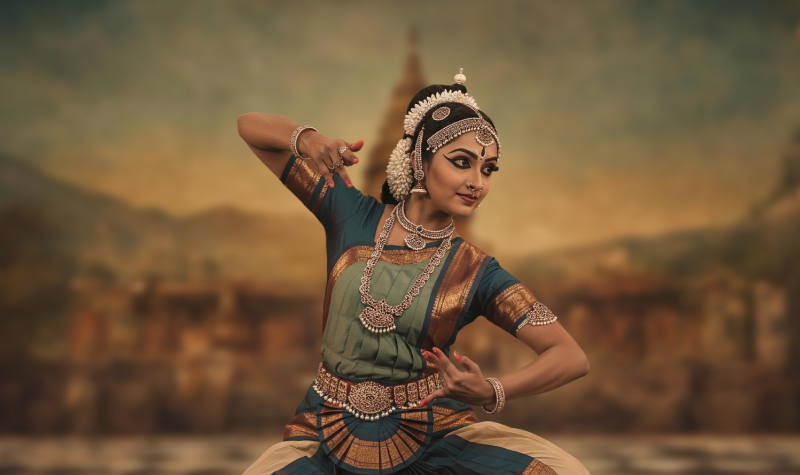
How Rhythm and Melody Shape Kuchipudi Storytelling
Conclusion
Krishna stories in dance remain a timeless testament to India’s rich performing arts heritage. From the intricate gestures of Bharatanatyam to the expressive narratives of Kuchipudi, dance transforms mythology into an immersive experience. Watching these performances allows one to feel the devotion, drama and joy of Krishna’s life unfold before their eyes. For those interested in exploring this art form deeply, platforms like Nrityangana provide curated performances, educational content and a chance to connect with passionate artists keeping the tradition alive. Krishna’s stories in dance are not merely performances, they are an experience, a celebration of mythology, devotion and cultural artistry.
FAQ's
How are Krishna’s stories depicted in Indian classical dance?
Krishna’s stories are depicted through expressive movements, hand gestures (mudras), facial expressions (abhinaya) and rhythmic footwork.
What is the significance of Rasa Lila performances?
Rasa Lila performances represent Krishna’s divine love with the gopis and are celebrated during major festivals. These devotional Krishna dance performances India-wide combine music, costume and choreography, turning mythology into immersive experiences that evoke devotion, cultural appreciation and artistic admiration.
Which dance forms are best for storytelling of Krishna Leela?
Kuchipudi and Bharatanatyam are considered highly effective for storytelling due to their focus on narrative expression and abhinaya.