What Is the Role of Footwork in Indian Classical Dance?
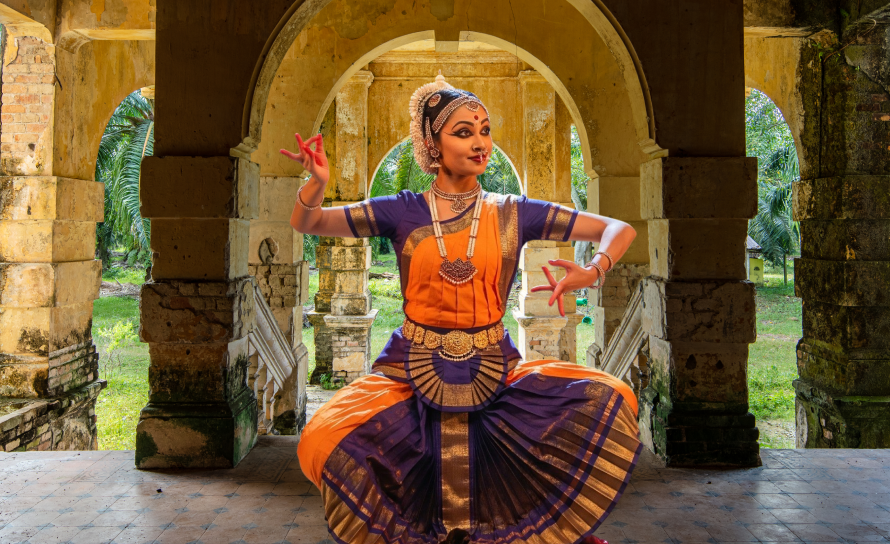
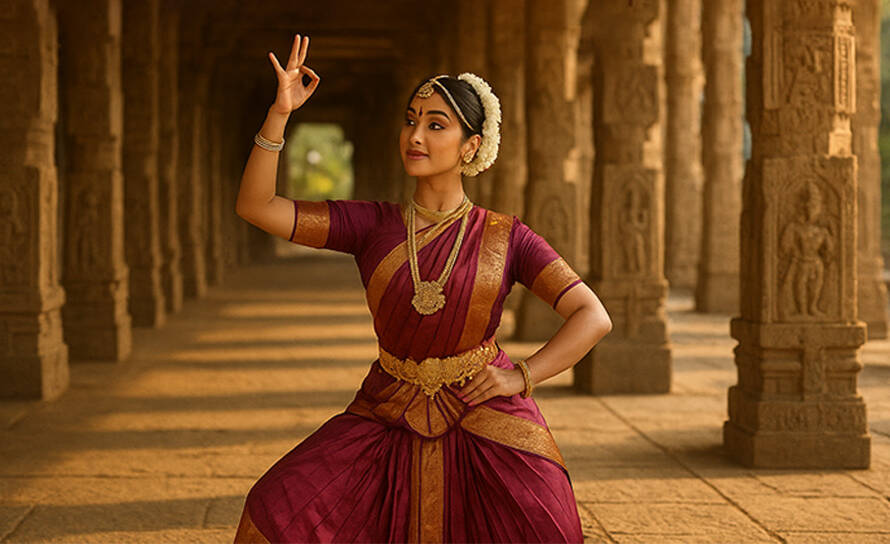
Indian classical dance is a beautiful blend of rhythm, expression and disciplined movement and footwork lies at the very heart of this tradition. Every stamp, glide and rhythmic step is not just movement but a language that speaks through sound and timing. Understanding the role of footwork in Indian classical dance helps dancers and readers appreciate how rhythm, music and emotion come together to create powerful performances.
Understanding Footwork in Indian Classical Dance
Footwork in Indian Classical Dance refers to the precise and rhythmic movements of the feet that create patterns aligned with music and tala. These movements are not random, they are deeply structured and trained over years of practice. Footwork acts as the base on which the entire dance stands, helping the dancer maintain balance, posture and clarity. For beginners, learning footwork is often the first step because it builds control, coordination and an understanding of rhythm that supports every other movement in dance.
Why Footwork Is the Foundation of Rhythm and Expression
The importance of footwork in Indian classical dance lies in its ability to translate rhythm into visible and audible form. Through controlled stamping and measured steps, dancers mark the beat and communicate tempo clearly to the audience. Footwork also enhances expression by supporting emotional storytelling, as changes in speed, intensity and spacing reflect different moods. Strong footwork allows dancers to stay connected to music while expressing grace, power or softness without losing rhythmic accuracy.
Footwork Across Indian Classical Dance Forms
Each Indian classical dance form uses footwork in a unique way while following the same rhythmic principles. In some styles, footwork is sharp and geometric while in others it is fluid and circular. Despite these stylistic differences, the purpose remains the same to maintain rhythm, support expressions and enhance storytelling. This diversity shows how footwork adapts to different traditions while remaining a unifying element across Indian classical dance.
Training, Ghungroo and Mastery of Footwork

Footwork training in Indian classical dance requires repetition, patience and discipline. Dancers practice basic steps repeatedly to develop muscle memory and rhythmic control. The use of ghungroo further sharpens this training by making foot movements audible, helping dancers correct timing and precision. Over time, consistent practice transforms simple steps into confident, expressive movements that elevate the overall performance and strengthen the dancer’s foundation.
Conclusion
The role of footwork in Indian classical dance goes beyond technique, it is the soul that connects rhythm, movement and expression into one harmonious flow. Mastering footwork builds confidence, musicality and depth in a dancer’s performance, making it an essential focus for learners at every stage. Institutions like Nrityangana continue to emphasize strong footwork training, ensuring that this timeless foundation remains alive and vibrant for future generations of dancers.
FAQ's
What is footwork in Indian classical dance?
Footwork is the rhythmic and structured movement of the feet that creates timing, balance and musical connection in dance.
Why is footwork important in Indian classical dance?
Traditional costumes highlight cultural significance and amplify expressions, helping the audience understand the dancer’s character better.
How does footwork improve rhythm in classical dance?
Footwork visually and audibly marks the beat, helping dancers stay aligned with music and tala.
Should beginners focus on footwork first in classical dance?
Yes, beginners should focus on footwork first as it builds a strong foundation for all other dance movements.