How Has Kuchipudi Maintained Tradition While Adapting to Modern Stages?
Kuchipudi originated in the village of Kuchipudi in Andhra Pradesh and has long been known for its expressive storytelling, rhythmic footwork and spiritual depth. Over centuries, this dance tradition has remained a vibrant part of India’s cultural heritage while gradually evolving to suit contemporary performance environments. Historically, Kuchipudi was performed in temples and village settings, where dancers enacted mythological stories through music, expressive gestures and dramatic movements. These performances were deeply connected to devotional traditions and cultural celebrations. The art form developed through the guidance of dedicated gurus who preserved the classical techniques and passed them down through generations.
The Traditional Elements That Define Kuchipudi
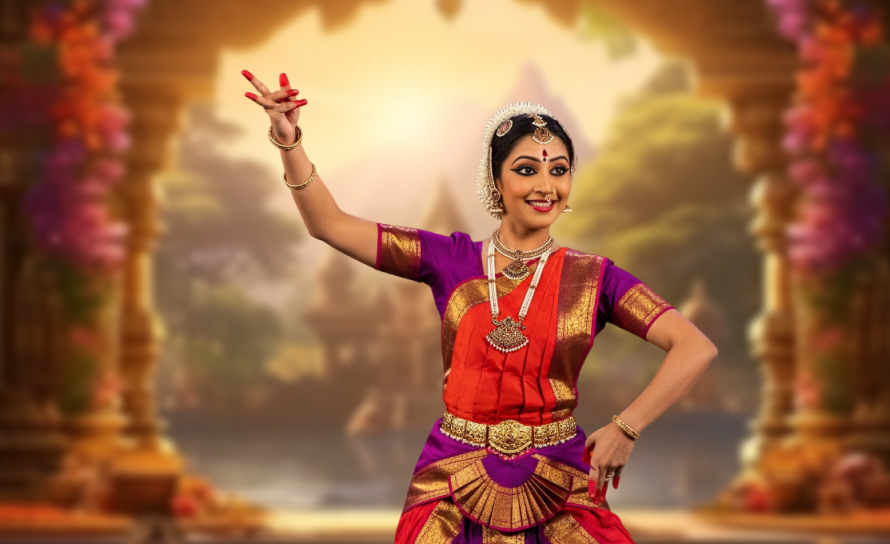
To understand how Kuchipudi Dance maintained tradition while adapting to modern stages, it is essential to look at the elements that define the classical structure of this dance form. Traditional Kuchipudi performances are rooted in storytelling drawn from ancient scriptures and mythological narratives. Through expressive facial gestures, intricate hand movements and rhythmic footwork, dancers bring these stories to life in a way that connects deeply with audiences. Music and rhythm also play a crucial role in preserving the classical identity of Kuchipudi. Performances are accompanied by Carnatic music, which provides the melodic and rhythmic framework for the dance. The coordination between the dancer and the musicians ensures that every movement aligns with the rhythm and emotional tone of the performance. Costumes and visual presentation are another aspect of tradition that continues to define Kuchipudi. Dancers wear elaborate costumes, traditional jewelry and expressive makeup that reflect the cultural richness of the art form. These visual elements help create an immersive experience for the audience while maintaining the authenticity of the performance.The enduring presence of these traditional elements demonstrates how Kuchipudi maintained tradition while adapting to modern stages.
Evolution of Kuchipudi in the Modern Era
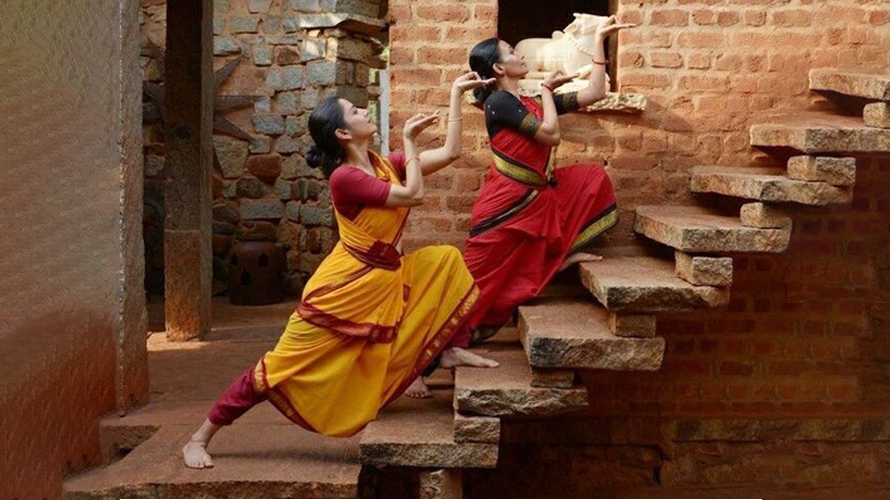
The evolution of Kuchipudi in the modern era highlights how Kuchipudi maintained tradition while adapting to modern stages. As society and performance spaces evolved, the dance form began to transition from temple courtyards and village gatherings to theaters and international cultural festivals. This shift opened new opportunities for artists to present the art form to a wider audience. With modern stages came new possibilities in choreography and presentation. Dancers began experimenting with creative staging, thematic productions and collaborative performances while still respecting the classical grammar of the dance. This balance allowed Kuchipudi to remain relevant while maintaining its artistic integrity.
Another important aspect of this evolution is the role of professional dance academies and cultural institutions. These organizations provide structured training and encourage research into classical traditions. By combining rigorous classical training with exposure to modern performance techniques, they ensure that the art form continues to grow without losing its historical foundation. Through these developments, it becomes clear how Kuchipudi maintained tradition while adapting to modern stages by evolving thoughtfully while preserving its essential identity.
Balancing Tradition and Innovation in Kuchipudi
One of the most fascinating aspects of this dance form is how Kuchipudi maintained tradition while adapting to modern stages through a careful balance between tradition and innovation. Dancers and choreographers today respect the classical grammar of the dance while also exploring new ideas and creative interpretations. Innovation in Kuchipudi often appears in the themes chosen for performances. While traditional mythological stories remain central, modern productions sometimes explore social themes or reinterpret classical narratives in ways that resonate with contemporary audiences. These adaptations help make the dance form more accessible and meaningful for younger generations.
At the same time, strict adherence to classical techniques ensures that the essence of Kuchipudi is preserved. Training in traditional footwork patterns, expressive gestures and rhythmic precision remains essential for every dancer. This disciplined foundation ensures that even the most innovative performances remain deeply rooted in classical tradition. Through this thoughtful balance, it becomes clear how Kuchipudi maintained tradition while adapting to modern stages without losing its authenticity or cultural significance.
The Role of Dance Institutions and Gurus in Preserving Kuchipudi
Dance institutions and experienced gurus play a critical role in ensuring how Kuchipudi maintained tradition while adapting to modern stages. These mentors dedicate their lives to teaching classical techniques, guiding students through years of rigorous practice and preserving the knowledge passed down through generations.Training in Kuchipudi is not limited to learning movements, it also includes understanding the cultural, historical and spiritual aspects of the dance. Students learn the meaning behind each gesture and the narrative significance of every performance piece. This holistic approach ensures that the tradition continues to thrive.
Institutions and academies also encourage performances on modern stages, allowing students to gain experience in professional theater environments. By combining traditional training with opportunities for modern performance exposure, these institutions help prepare dancers for the evolving world of classical arts.Their commitment demonstrates how Kuchipudi maintained tradition while adapting to modern stages by nurturing both heritage and innovation.
Why Kuchipudi Remains Relevant for Modern Audiences
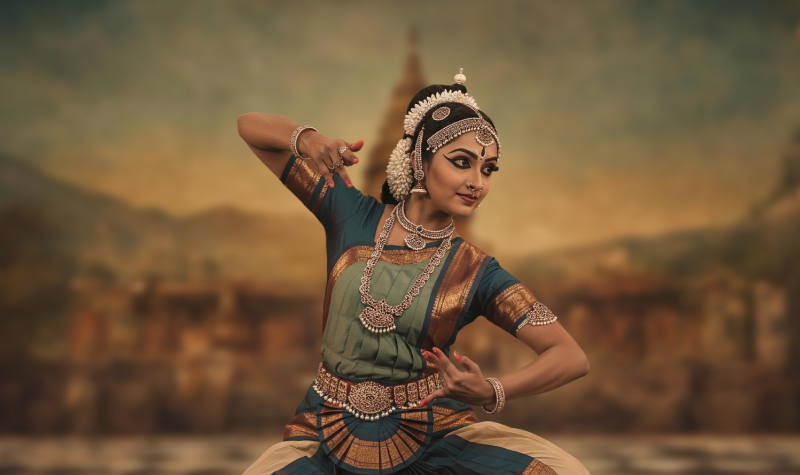
The continued popularity of this classical dance form highlights how Kuchipudi maintained tradition while adapting to modern stages in a way that resonates with contemporary audiences. The expressive storytelling and dynamic movements of Kuchipudi have universal appeal, making it accessible to viewers from diverse cultural backgrounds. Modern audiences appreciate performances that combine traditional artistry with creative presentation. Kuchipudi’s adaptability allows it to meet these expectations while remaining true to its roots. International cultural festivals, digital platforms and educational programs have further expanded its reach, introducing the art form to new generations of viewers.
The timeless themes explored in Kuchipudi performances, such as devotion, morality and human emotions, remain relevant regardless of the era. This enduring connection with audiences ensures that the dance form continues to flourish in the modern world. The success of these efforts clearly illustrates how Kuchipudi maintained tradition while adapting to modern stages while continuing to inspire audiences across the globe.
Conclusion
From its origins in temple courtyards to its presence on international stages, the dance has evolved in presentation while safeguarding its cultural and artistic foundations. Traditional storytelling, classical music, expressive movements and disciplined training remain at the heart of every performance. At the same time, modern stage technologies, creative choreography and global exposure have helped the art form reach new audiences. This harmonious blend of tradition and innovation ensures that Kuchipudi continues to thrive as a living cultural heritage. Institutions such as Nrityangana play an essential role in sustaining this legacy by training dedicated dancers and promoting the beauty of classical arts. Through their efforts, the timeless spirit of Kuchipudi continues to inspire new generations while honoring the traditions that shaped its history.
FAQ's
How has Kuchipudi maintained tradition while adapting to modern stages?
Kuchipudi has maintained tradition while adapting to modern stages by preserving its classical techniques, storytelling methods and musical structure while embracing modern presentation tools such as lighting, stage design and theater technology.
What changes have occurred in Kuchipudi performances on modern stages?
Modern Kuchipudi performances often include improved stage lighting, sound systems and creative choreography that enhance the visual experience for audiences. While the presentation style has evolved, the core elements such as classical footwork, expressive gestures and traditional storytelling remain unchanged.
Why is Kuchipudi still relevant for modern audiences?
Kuchipudi remains relevant because its expressive storytelling and dynamic movements communicate universal emotions that audiences can easily connect with. The dance form continues to evolve in presentation while preserving its classical foundation, allowing it to appeal to both traditional art lovers and modern viewers.