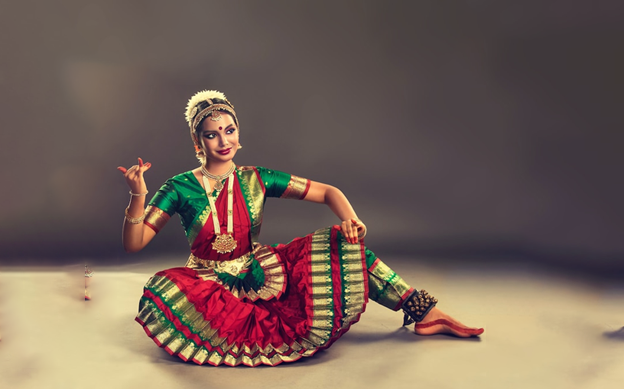
How Can Kuchipudi Dancers Safely Increase Flexibility for Complex Movements?
Kuchipudi is a Classical Dance Form that demands grace, strength, rhythm and expressive depth, all working in harmony. As dancers progress, they encounter increasingly complex movements that require a higher degree of flexibility, particularly in the hips, spine, ankles and shoulders. However, flexibility in Kuchipudi is not about pushing the body beyond its limits. It is about developing controlled openness in the joints and muscles while maintaining stability, balance and injury-free practice. Many dancers struggle with stiffness or discomfort because flexibility training is rushed or approached incorrectly.
Why Flexibility Plays a Crucial Role in Kuchipudi
Flexibility directly impacts how effortlessly a dancer can execute adavus, fluid transitions, deep araimandi positions and expressive torso movements. In Kuchipudi, movements are not isolated, they flow continuously, requiring the body to respond with ease and coordination. Proper flexibility allows dancers to achieve cleaner lines, smoother footwork and more expressive abhinaya without strain. Unlike general fitness flexibility, classical dance flexibility must support precision and control. When flexibility is developed mindfully, it enhances both performance quality and physical longevity, allowing dancers to train consistently without recurring injuries.
Understanding the Challenges Kuchipudi Dancers Face
Many Kuchipudi dancers experience tightness due to repetitive movement patterns, long practice hours or insufficient warm-ups. The hips and hamstrings often bear the brunt of intense adavu practice, while the lower back and ankles are stressed through rhythmic footwork and jumps. Without proper body conditioning, dancers may attempt to force stretches, leading to muscle imbalances or micro-injuries. Safe flexibility training begins with acknowledging these challenges and understanding that progress differs for every dancer based on age, body structure and training background.
How Can Kuchipudi Dancers Increase Flexibility Safely?
Safe flexibility development in Kuchipudi relies on gradual progression and consistency rather than intensity. The body responds best when stretching is introduced slowly and paired with strength-building movements that support the joints. Breathing plays a significant role, as controlled breathing helps release muscular tension and improves range of motion naturally. Dancers must learn to differentiate between productive stretch sensations and pain, as discomfort is a sign to pause rather than push forward. Flexibility achieved through mindful practice is more sustainable and better aligned with the physical demands of classical dance.
The Importance of Warming Up Before Stretching
Warming up prepares the body for deeper movements by increasing blood flow to the muscles and improving joint lubrication. For Kuchipudi dancers, a proper warm-up helps the body transition from stillness to dynamic motion, reducing the risk of strains. Gentle movements coordinated with breath gradually awaken the spine, hips, knees and ankles. When stretching is performed after warming up, muscles respond more efficiently, allowing flexibility to improve without resistance or shock to the body.
Daily Stretching and Home Practice for Kuchipudi Dancers
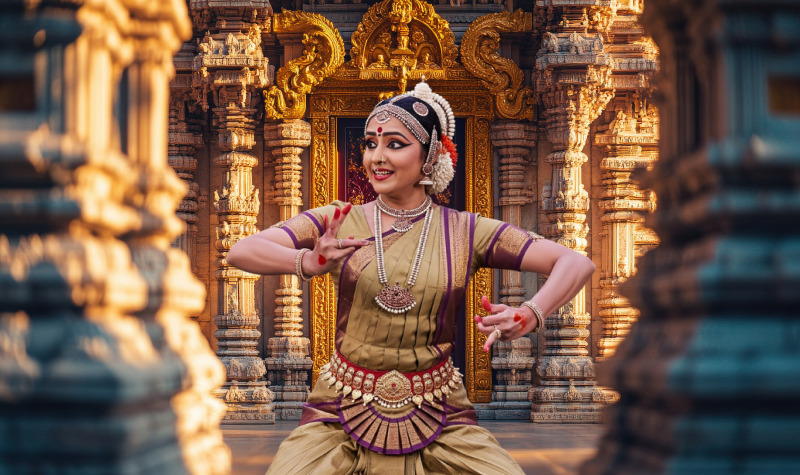
Consistent daily stretching is more effective than occasional intense sessions. Short, focused flexibility routines practiced at home help dancers maintain progress and prevent stiffness between classes. Stretching after practice, when muscles are warm, supports recovery and reduces soreness. Over time, these small consistent efforts create noticeable improvements in movement quality and comfort. Home practice also encourages dancers to become more aware of their bodies, fostering a deeper connection between technique and physical awareness.
Conclusion
Safely increasing flexibility for complex Kuchipudi movements is a gradual and mindful process that combines patience, consistency and body awareness. When flexibility training is approached with care, it enhances performance quality, prevents injuries and supports a dancer’s long-term growth. Institutions like Nrityangana, which emphasize structured training and holistic body conditioning, play an important role in guiding dancers toward healthy and sustainable practice. By prioritizing safety and intentional movement, Kuchipudi dancers can achieve both technical excellence and physical well-being.
FAQ’s
What stretches are best for Kuchipudi dancers?
The most effective stretches for Kuchipudi dancers are those that support hip mobility, spinal flexibility and ankle strength while maintaining control. These stretches should align with classical dance postures and be practiced with proper breathing to avoid strain.
How often should Kuchipudi dancers work on flexibility?
Flexibility training can be practiced daily in a gentle manner, especially after dance sessions. Consistency is more important than duration, as regular stretching helps maintain mobility and prevents stiffness without overloading the muscles.
Can Kuchipudi dancers improve flexibility safely at home?
Yes, Kuchipudi dancers can safely improve flexibility at home by following structured routines learned from trained instructors. Practicing in a calm environment with proper warm-up and awareness helps dancers progress without unnecessary risk.