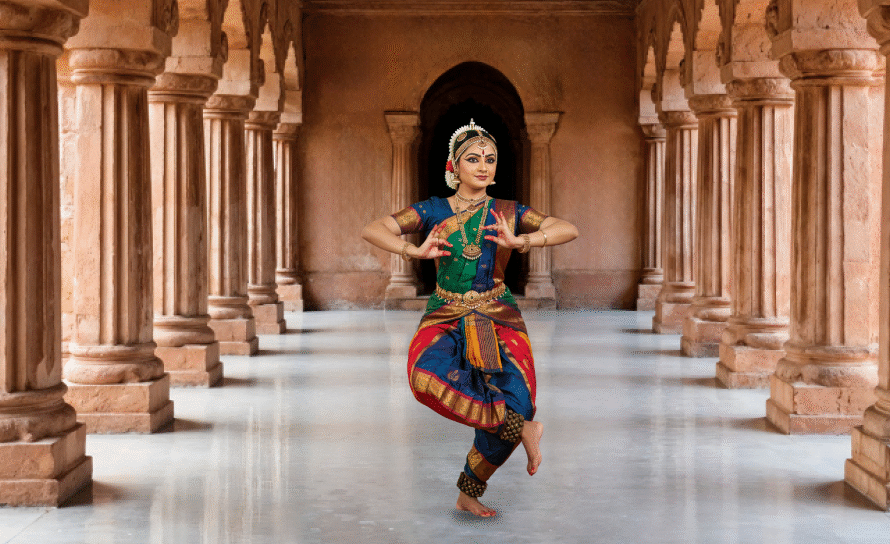
How Do Academies Organize Annual Kuchipudi Recitals to Maintain Tradition?
Annual Kuchipudi recitals are more than performance showcases, they are living expressions of heritage, discipline and artistic continuity. Classical dance academies treat these events as milestones that reflect months of dedication, training and cultural transmission. Rooted deeply in the traditions of Andhra Pradesh and celebrated across India, Kuchipudi performances preserve storytelling, devotional expression and technical excellence. Organizing these recitals requires careful planning that balances logistical execution with authenticity, ensuring students experience not only stage exposure but also cultural grounding.
Cultural Purpose and Educational Value of Annual Recitals
Dance academies approach annual recitals as essential extensions of classroom learning rather than isolated events. These programs strengthen the bond between teacher and student, reflecting the time-honored guru-shishya tradition where knowledge passes through observation, imitation and performance. By participating in structured presentations, students internalize rhythm, narrative expression and stage etiquette, all while gaining confidence and accountability. The recital becomes a platform where the philosophical essence of classical art merges with practical learning, encouraging students to understand symbolism, mythology and emotion rather than simply memorizing choreography. This deeper cultural immersion helps academies maintain authenticity and nurture appreciation among audiences who witness the performance.
Planning, Preparation and Artistic Coordination
Behind every recital lies an intricate process that spans scheduling, rehearsal design, costume preparation and program structuring. Academies typically begin months ahead by selecting themes or narrative sequences that highlight both beginner and advanced talent, ensuring a balanced presentation of technique and storytelling. Teachers refine choreography to align with classical frameworks while preparing students through repeated stage simulations that address posture, timing and expressive clarity. Costume planning, makeup artistry and music synchronization contribute significantly to preserving visual and auditory tradition, reinforcing the identity of the dance form. Careful coordination transforms preparation into a cultural journey where students recognize the significance of each symbolic gesture, attire detail and rhythmic transition performed on stage.
Stage Organization and Traditional Execution
The recital environment itself plays a defining role in maintaining cultural integrity. Academies devote attention to stage layout, lighting, atmosphere and performance sequencing to evoke classical aesthetics that complement the narrative tone of each piece. Program flow often reflects a progression from invocatory segments to expressive storytelling and energetic finales, echoing the spiritual and artistic arc inherent to classical formats. Teachers supervise transitions, guide performers through stage discipline and ensure composure throughout the presentation. This structured execution reinforces respect for ritual elements, encouraging students to honor tradition while presenting their skills confidently before audiences. Such meticulous organization allows academies to uphold authenticity without compromising engagement or accessibility.
Challenges, Evolution and Cultural Continuity
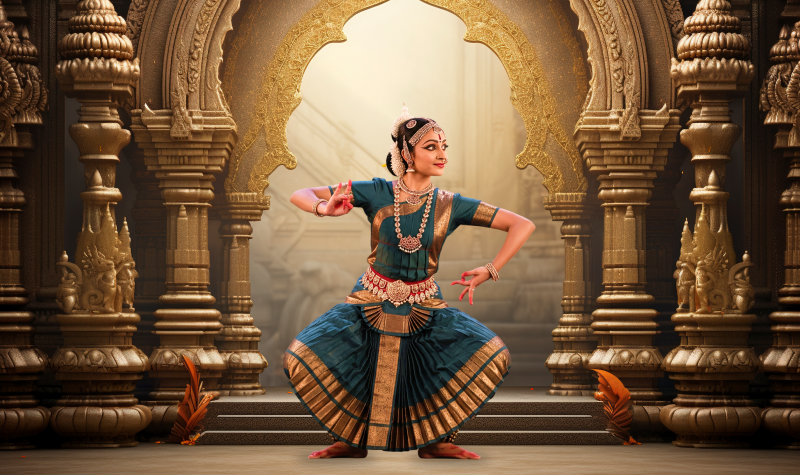
Despite dedication to tradition, academies face evolving challenges that demand adaptability without dilution of heritage. Balancing modern audience expectations, managing logistical limitations and motivating younger generations require thoughtful innovation in presentation and communication. Integrating contextual explanations, digital promotion and contemporary staging enhancements allows academies to remain relevant while safeguarding classical values. Through this dynamic approach, annual recitals transform into bridges between generations, connecting historical roots with contemporary appreciation. These events demonstrate that tradition thrives not through rigidity but through mindful continuity, ensuring Kuchipudi remains vibrant and meaningful within changing cultural landscapes.
Conclusion
These institutions give performers a proper stage while building discipline, confidence and respect for tradition. Organizations like Nrityangana show how careful planning and cultural understanding help keep classical dance pure and meaningful. By encouraging discipline, authenticity and a sense of community, such academies help Kuchipudi grow beyond practice rooms and reach real audiences. Their work proves that traditions stay alive when they are learned, guided and celebrated with respect, making every recital a true celebration of this timeless art form.
FAQ's
How do academies ensure authenticity in Kuchipudi recitals?
Academies maintain authenticity by grounding choreography, costume design and musical selection in classical frameworks while educating students on symbolic meanings and storytelling context.
Why are annual recitals important for Kuchipudi students?
Annual recitals provide students with experiential learning that extends beyond technical training, allowing them to build stage confidence, emotional expression and cultural understanding.
What factors contribute to successful recital organization?
Successful organization depends on early planning, coordinated rehearsals, cultural sensitivity in presentation and thoughtful stage management that aligns with classical aesthetics.