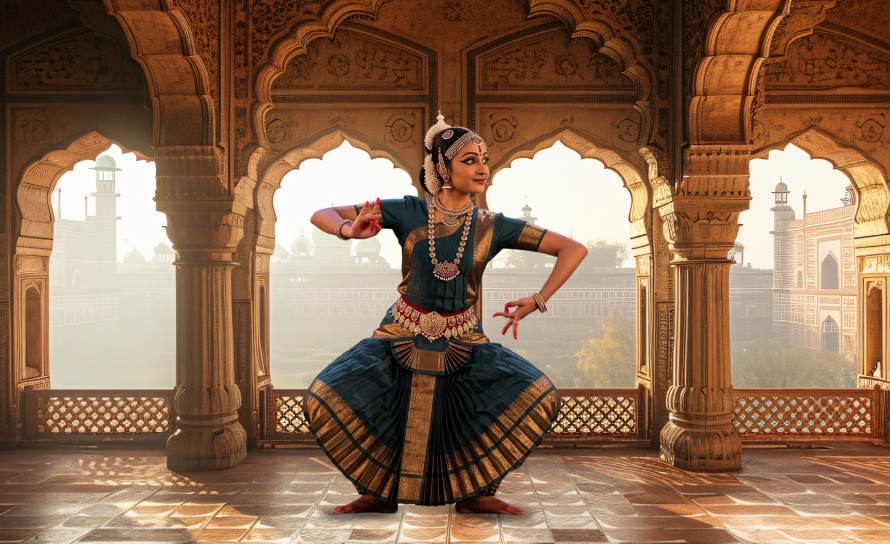
How Are Mythological Stories of Krishna Brought to Life Through Dance?
Indian classical dance has long been a powerful medium to convey stories from mythology and among the most cherished narratives are those of Lord Krishna. From his playful childhood exploits to his divine interactions with the gopis, Krishna’s life is filled with tales of devotion, love and bravery.Through expressive movements, intricate gestures and vibrant storytelling, dancers bring these age-old legends to life, making them tangible for audiences across generations. Krishna’s stories in dance are not only a form of entertainment but also a spiritual journey that resonates deeply with devotees and art lovers alike.
The portrayal of Krishna in classical dance transcends mere performance, serving as a bridge between art, culture and spirituality. Each gesture, expression and rhythmic step is carefully crafted to convey the emotional depth and moral essence of his stories. Through nuanced storytelling, dancers allow audiences to witness the divine play of Krishna, his mischief, wisdom and compassion creating an immersive experience that educates, inspires and captivates. This integration of mythology and movement not only preserves cultural heritage but also fosters a profound connection between the viewer and the timeless tales of Krishna.
Understanding Krishna Leela in Dance
Krishna Leela, the divine plays of Krishna, forms the core of many classical performances. Each leela, whether it’s the playful stealing of butter or the enchanting Rasa Lila, is conveyed through a combination of facial expressions, hand gestures and rhythmic movements. Dance allows artists to communicate the emotional essence of Krishna’s life, creating a bridge between mythology and human experience. In Kuchipudi and Bharatanatyam, these stories are carefully choreographed so that every gesture has meaning, every glance conveys devotion and every step captures a moment of Krishna’s life. Through this artistic medium, audiences experience the depth and vibrancy of Krishna leela in Kuchipudi dance as if they were witnessing it firsthand.
Classical Dance Forms Depicting Krishna
Different Classical Dance Forms offer unique interpretations of Krishna’s stories. In Kuchipudi, performers emphasize narrative storytelling, blending dramatic expressions with fluid movements. Bharatanatyam focuses on abhinaya or expressive acting, allowing dancers to portray Krishna’s emotions in clear detail. Odissi and Kathak bring their own styles, using intricate footwork and graceful postures to depict episodes from Krishna’s life. These dances not only highlight the technical brilliance of the art form but also showcase the spiritual and cultural richness of India’s performing arts tradition. The combination of these dance styles ensures that Krishna stories in dance remain diverse, engaging and profoundly moving.
The Cultural Impact of Krishna Dance Stories
Storytelling through Krishna dance dramas has had a profound impact on Indian culture. It has preserved centuries-old traditions, inspired new interpretations and connected audiences to the richness of mythology. Beyond classical stages, Krishna stories in dance have influenced theater, cinema and contemporary performances. By engaging with these narratives, viewers gain insight into moral lessons, spiritual themes and the artistic heritage of India. Dancers and audiences alike share a connection through these performances, making the storytelling of Krishna’s life a continuous cultural dialogue.
Krishna stories in dance also play a significant role in preserving India’s cultural identity. For generations, dance has been used as a medium to pass down mythological stories, values and traditions from one era to the next. Through expressive storytelling and powerful performances, young dancers learn not only the technical aspects of classical dance but also the deeper meanings behind Krishna’s life and teachings. This process helps maintain a living tradition where mythology, spirituality and performing arts continue to thrive together.In addition, Krishna dance dramas help create a sense of unity and shared cultural appreciation among audiences. When people watch a performance that portrays episodes from Krishna’s life, they often experience a blend of devotion, nostalgia and admiration for the artistry involved. These performances are commonly presented during festivals, cultural events and temple celebrations, making them an integral part of community life. As a result, Krishna stories in dance become more than just artistic expressions, they become powerful cultural experiences that bring people together.
Rasa Lila and Devotional Performances
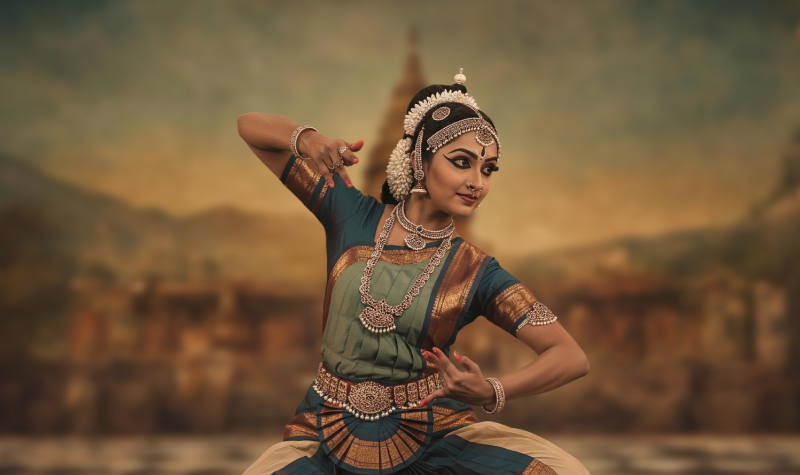
Rasa Lila performances hold a special place in devotional traditions. These enactments of Krishna’s divine love with the gopis are celebrated widely, especially during festivals like Janmashtami and Holi. Devotional Krishna dance performances India-wide bring communities together, blending music, costume and choreography to create an immersive experience. Every twirl, gesture and expression is a reflection of devotion, making the divine accessible to everyone watching. These performances allow dancers to embody Krishna’s stories in dance fully, turning mythological tales into living, breathing art. The devotion and precision in Rasa Lila performances make the experience both spiritually uplifting and aesthetically mesmerizing.
Conclusion
Krishna stories in dance remain a timeless testament to India’s rich performing arts heritage. From the intricate gestures of Bharatanatyam to the expressive narratives of Kuchipudi, dance transforms mythology into an immersive experience. Watching these performances allows one to feel the devotion, drama and joy of Krishna’s life unfold before their eyes. For those interested in exploring this art form deeply, platforms like Nrityangana provide curated performances, educational content and a chance to connect with passionate artists keeping the tradition alive. Krishna’s stories in dance are not merely performances, they are an experience, a celebration of mythology, devotion and cultural artistry.
FAQ's
How are Krishna’s stories depicted in Indian classical dance?
Krishna’s stories are depicted through expressive movements, hand gestures (mudras), facial expressions (abhinaya) and rhythmic footwork.
What is the significance of Rasa Lila performances?
Rasa Lila performances represent Krishna’s divine love with the gopis and are celebrated during major festivals. These devotional Krishna dance performances India-wide combine music, costume and choreography, turning mythology into immersive experiences that evoke devotion, cultural appreciation and artistic admiration.
Which dance forms are best for storytelling of Krishna Leela?
Kuchipudi and Bharatanatyam are considered highly effective for storytelling due to their focus on narrative expression and abhinaya.