How can props and costumes improve audience engagement in Kuchipudi shows?
Classically, Kuchipudi blend s grace, drama, rhythm, and storytelling into one beautiful dance form. The props and costumes are an essential part of this richly visual classical tradition, enhancing the appeal and drawing emotional attention from the audience throughout the performance. Colorful costumes, symbolic ornaments, and expressive props transform a simple stage act into a vibrant visual experience that lingers long after the performance ends.
The Power of Visual Appeal During Kuchipudi Performances
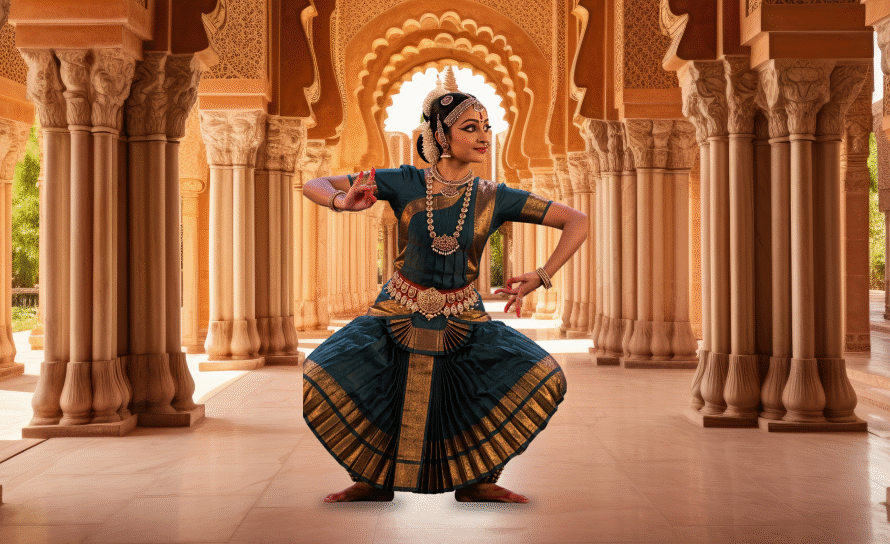
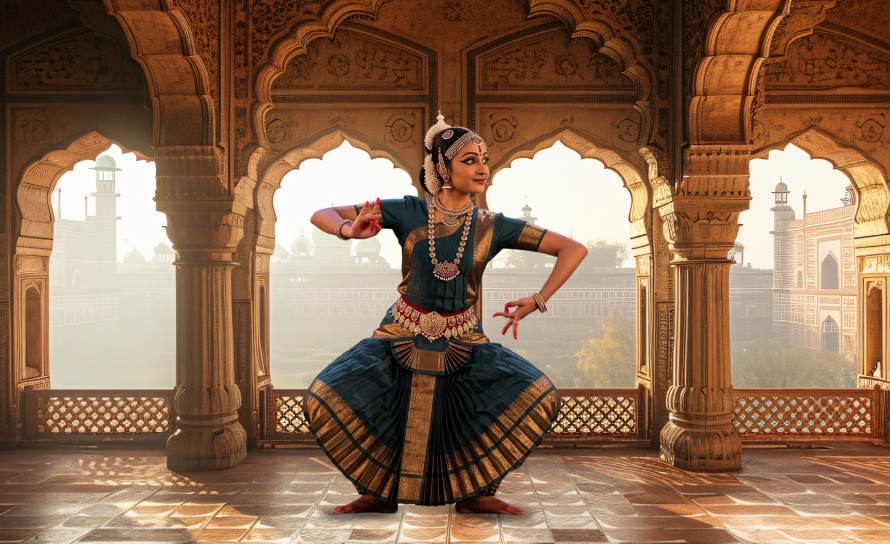
Visual appeal plays a powerful role in making Kuchipudi captivating not just as a dance but as a storytelling medium. Traditional costumes are bright and elaborate, catching the viewer’s eye instantly and helping them connect with the narrative. Every color, ornament, and fabric is chosen with purpose to elevate the dancer’s energy and highlight expressive movements. This thoughtful visual design strengthens the connection between performer and audience.
How Costumes Enhance Storytelling and Expression
The Kuchipudi costume does more than adorn the dancer, it conveys character, mood, and emotion without the need for words. Traditional designs, ornamentation, and color combinations hold cultural symbolism that helps the audience understand the identity and essence of each character. Every movement executed with rhythm and grace aligns with the flow of the costume, enhancing clarity in expression. This visual enrichment deepens the storytelling, adding emotional richness to every gesture and step.
How Props Fascinate the Audience During a Kuchipudi Performance

Props bring an engaging theatrical element to Kuchipudi. Whether it’s a pot, a shining plate, or a flowing veil, each prop carries symbolic significance and enhances key moments of the story. They offer dancers opportunities to display skill, balance, precision, and artistry, instantly capturing the audience’s attention. When used effectively, props create dramatic, memorable moments that strengthen audience engagement. They add layers to the narrative, bringing scenes to life and bridging the emotional gap between stage and spectators.
Kuchipudi as Visual Storytelling: Connecting with the Audience
Kuchipudi beautifully combines visuals, movement, and emotion to create a deep connection with viewers. Props and costumes build a world where stories feel real and characters come alive. From detailed attire and rhythmic footwork to expressive gestures and symbolic props, every element contributes to an engaging and emotionally stirring performance. Viewers naturally become immersed, responding with curiosity, admiration, and emotional involvement. This creates not only an enriching cultural experience but also one that leaves a lasting impression.
Conclusion
A Kuchipudi performance is a grand visual spectacle rich, expressive, culturally rooted, and emotionally profound. Props and costumes enhance the dance, making the storytelling vivid and strengthening the audience’s connection with the art form. Every detail contributes to the magic on stage, capturing hearts and celebrating the timeless elegance of this classical tradition. Nrityangana offers dancers and students an ideal platform to grow, shine on stage, and refine their artistry with professional guidance.
FAQ's
How do props make Kuchipudi performances more interesting?
Props add drama, depth, and visual appeal, making storytelling more engaging for the audience.
Why do traditional costumes play a major role in Kuchipudi?
Traditional costumes highlight cultural significance and amplify expressions, helping the audience understand the dancer’s character better.
What props are generally used in Kuchipudi dances?
Pots, plates, veils, and other symbolic accessories are commonly used to enhance the storyline and stage effect.
Do costumes help dancers express emotions more effectively?
Yes, costumes enhance both movements and facial expressions, making emotions clearer and more powerful.
How do visual elements communicate with the audience in classical dance?
Strong visual components create emotional connection, making the performance more appealing, memorable, and impactful.